
A place to belong, explore and become.
Forest School is where we began. But the forest is one of the places this way of learning comes alive.
We create environments where children learn through real experiences, authentic relationships and hands-on projects designed by the children themselves.
Our aim is to create the conditions in which each child can become more fully themselves.
Over time, these experiences lead to skills and knowledge that become an education for life.
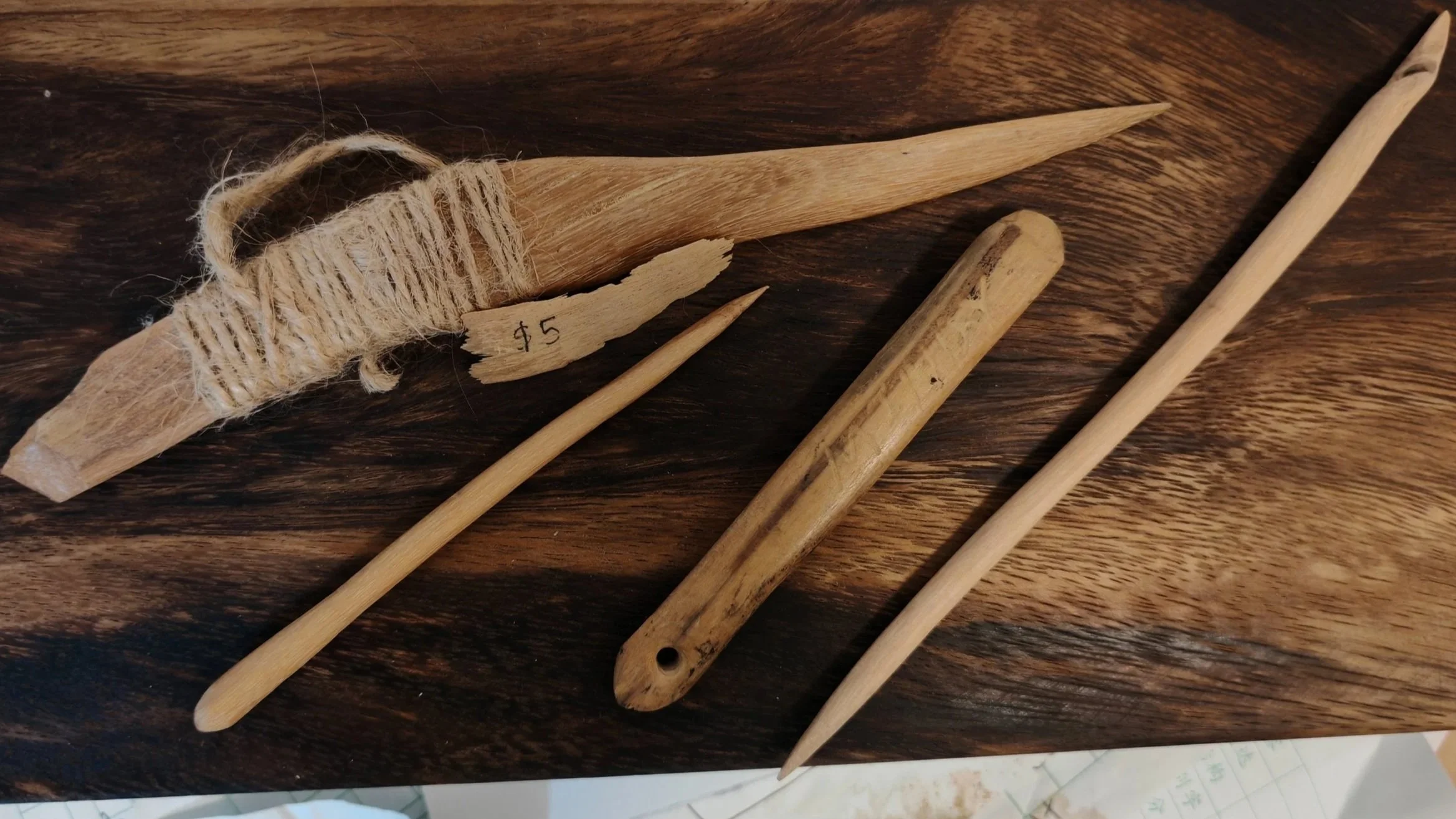
Above: A range of wooden products designed and crafted from start to finish by our Middle Schoolers. Some sold out at the craft and entrepreneurship fairs where they hosted their own stalls (2025 batch).
Since 2018 · Lower Peirce, Alexandra Forest, Lazarus Island, Tampines and Bidadari. A nature space close to you.
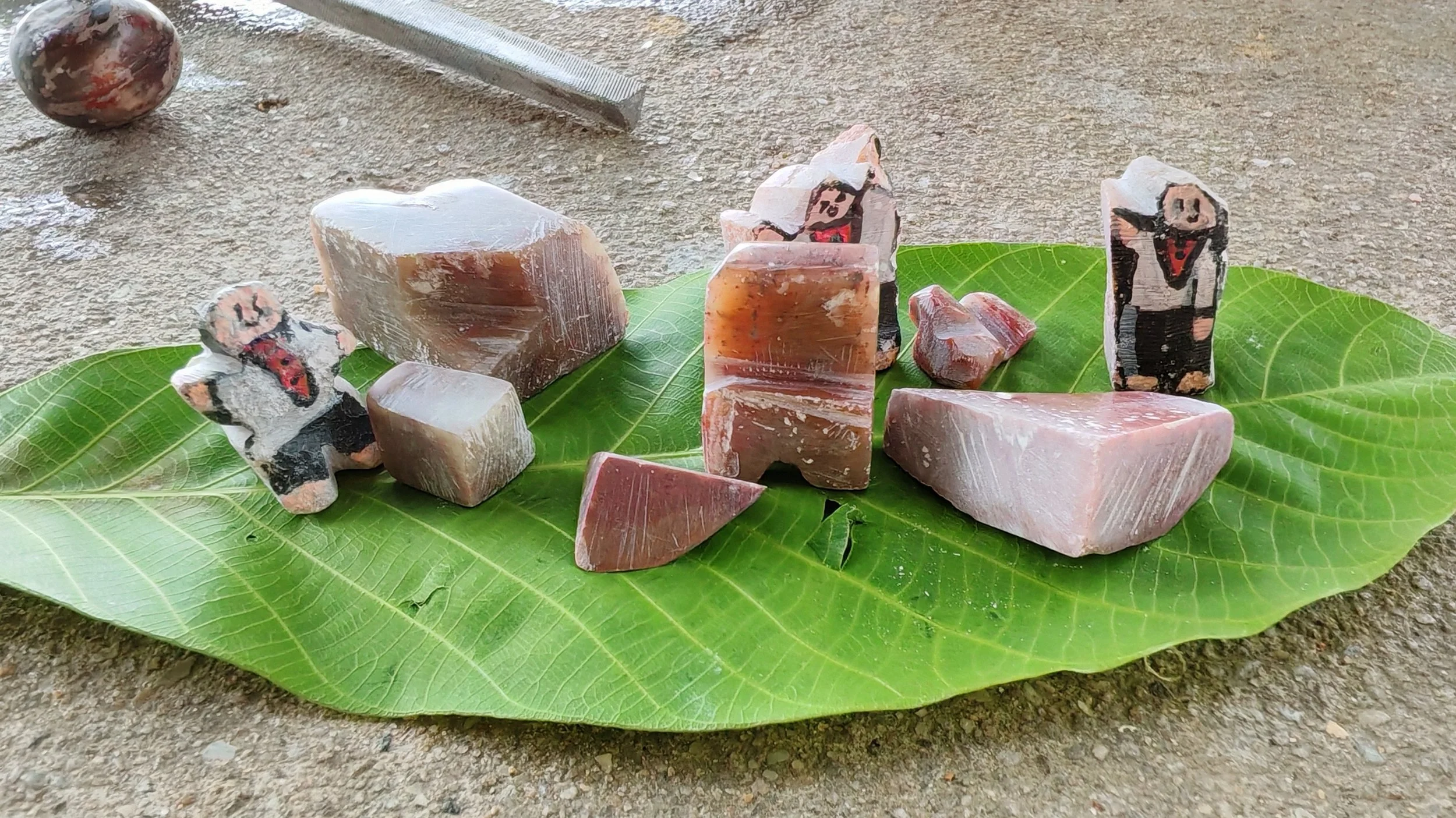
Above: Some of the stone creations designed, chiselled and polished from start to finish by our Seniors, including a piano and named characters that became part of their plays (2026 batch).
HOW WE WORK
We notice.
We look beyond what happened to understand what might be going on.
We connect.
We get alongside, listen and guide the children.
We open.
We help make another possibility visible, so children discover what they are capable of.
We relate.
Children build relationship within themselves, their environment and others.
“The coaches also made the experience exceptional. They were incredibly nurturing, patient, and understanding, creating a safe environment where the children felt free to explore, learn, and grow at their own pace.”
“At first, I kept saying I couldn’t strike a spark. At last, after many tries and guidance, I managed to strike sparks.”
Imagine a place where children grow through living, doing, relating, exploring and belonging.
Adults don't make everything happen for them.
Children make, build, explore, solve problems, take appropriate risks, make friends, fall out, work things out and become increasingly capable of taking their place in the world.
It can happen outdoors or indoors.
There isn't a fixed curriculum for every child.
Real life is part of the learning.
What would you call a place like this?
WHAT WE PROVIDE
Moss & Mint | our weekly forest school
Fridays, Saturdays and Sundays, at Lower Peirce, Alexandra and Tampines. Weekly or fortnightly, whichever rhythm your family can actually keep. The same patch of forest, the same group, the same coaches, from Juniors at three all the way through to College.
Families with a Blue CHAS card pay up to 50% less, Orange CHAS up to 25% less. We keep these places limited so we can sustain them, and the difference is absorbed by Nature Den. They are made possible in part by families who pay full fees across our other programmes, helping us keep the village open to more families.
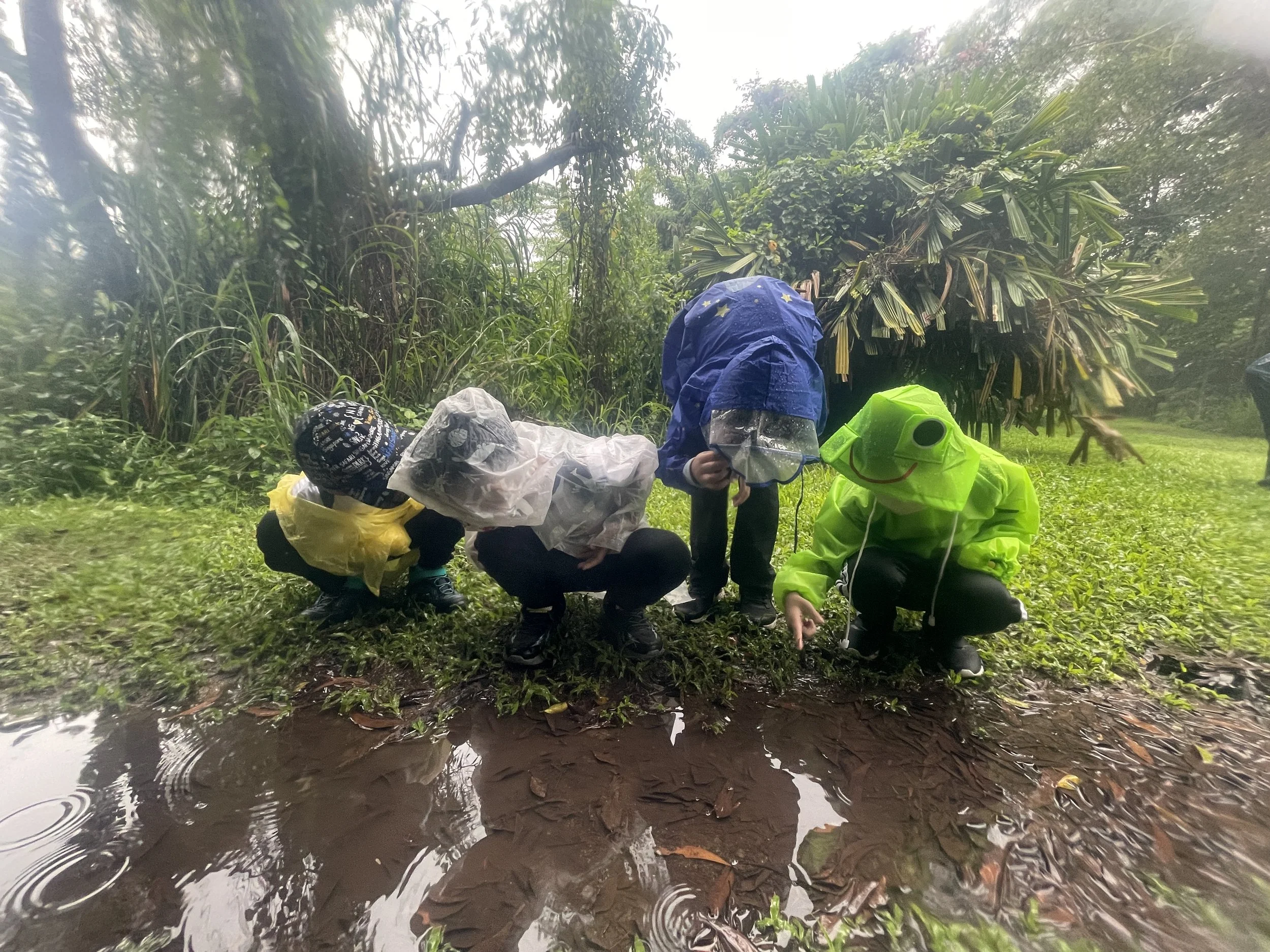
The Pod | small group, two coaches to four children
For children who want to be with other children, but who need more attention than a full group can give them right now. Big feelings, sensory needs, anxiety, a hard season at school, or simply needing longer to arrive.
Children can start here and move across into a Moss & Mint group when they're ready, with coaches they already trust.
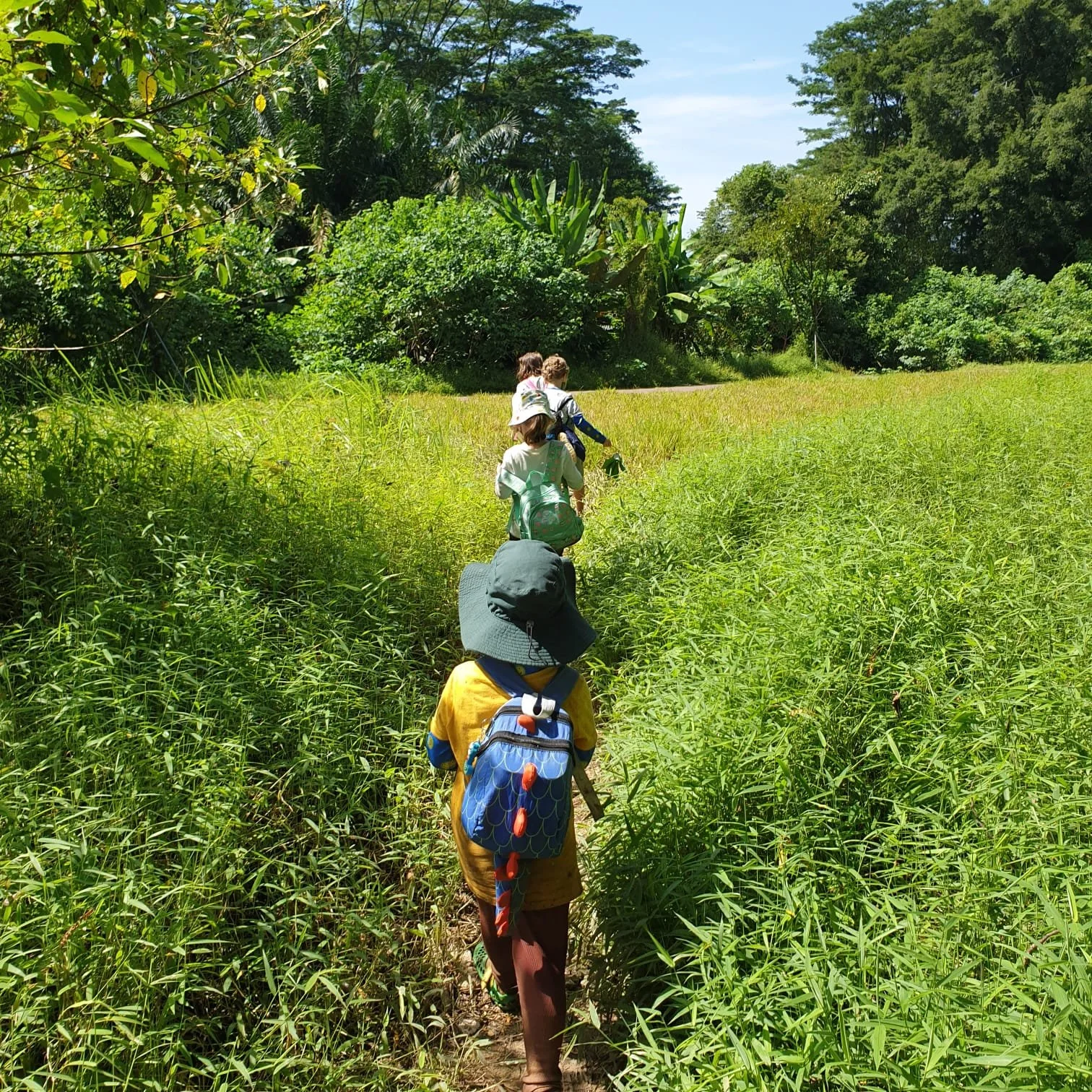
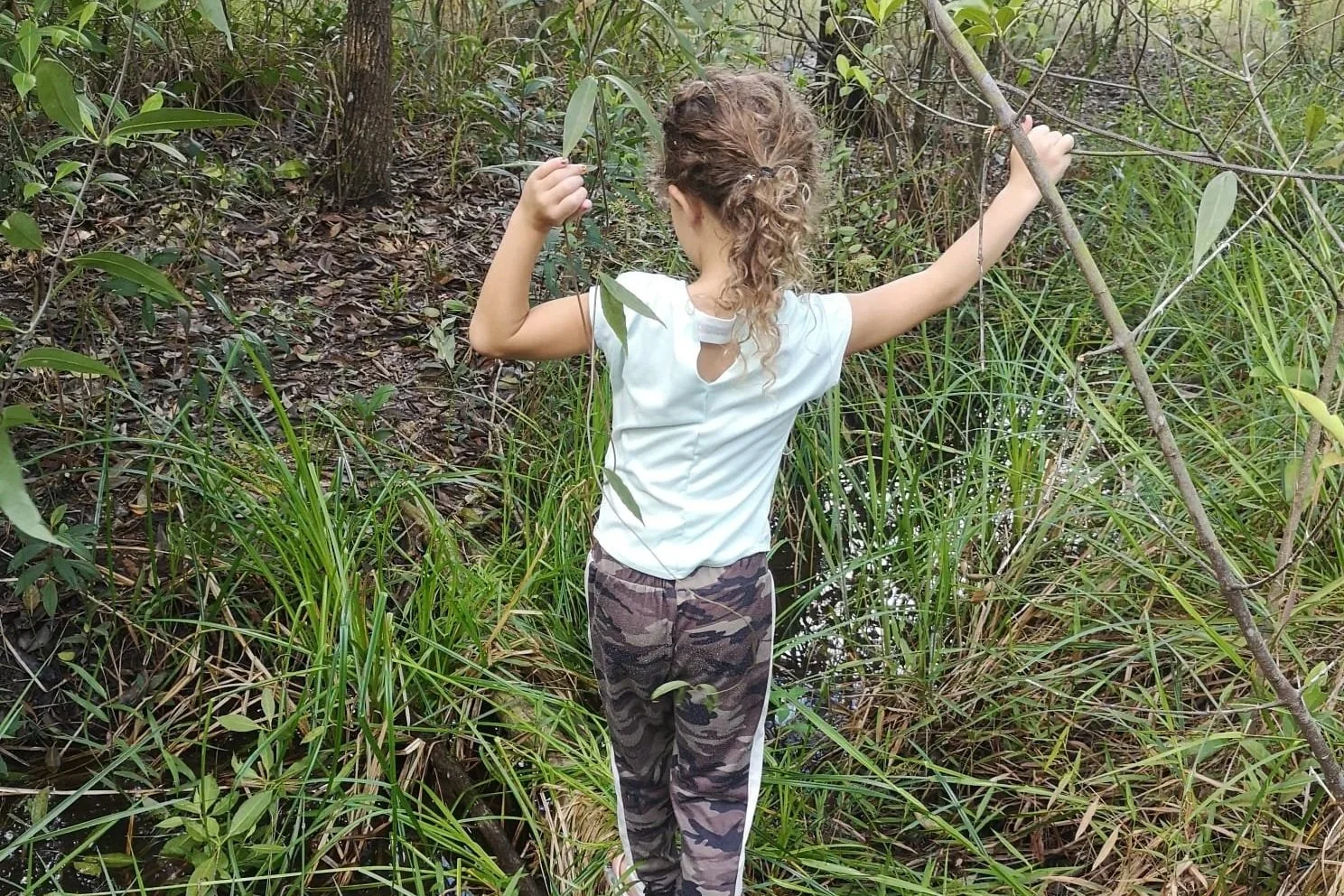
Holiday camps
March, May, June, September, November and December. Including smaller, adapted camps for children who can't comfortably join a conventional cohort camp, medical, sensory, developmental or otherwise.
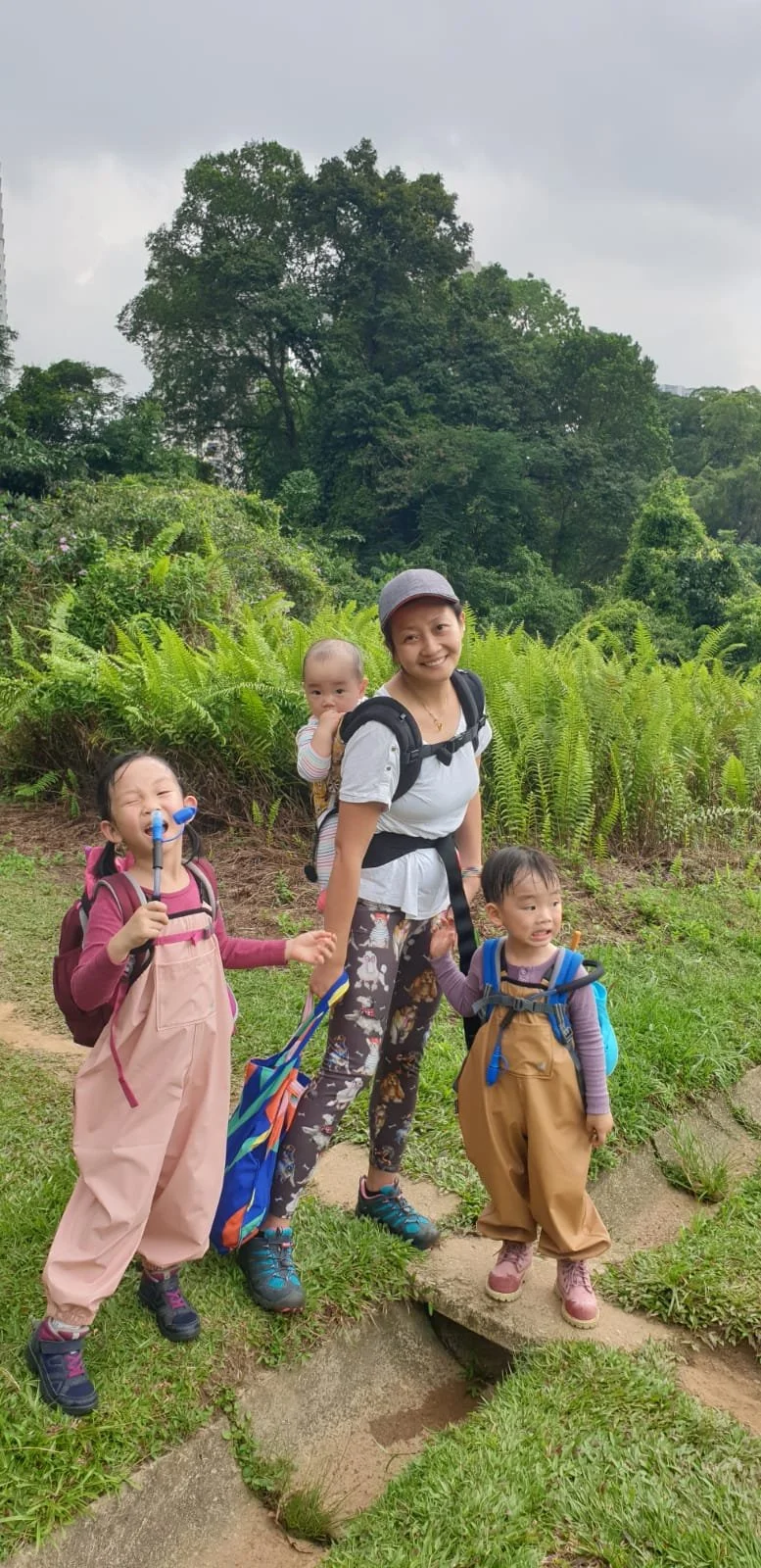
“My boy spent time carving and whittling wood and he was so excited to use real tools adults use!”
“The coaches are sensitive to the kids’ needs and safety without negating the sense of fun, adventure and cooperation among the kids.”
IS THIS YOUR KIND OF PLACE?
Our groups are mixed age. We strive to make every child feel heard, to know that their thoughts and feelings matter, and to know that they are lovable and capable.
We draw from the Nonviolent Communication framework and various community building approaches in our work with children. Building community is an important part of how we think about learning.
We believe that, at the end of the day, our health and our relationships are what matter most. Money and achievement have their place, but they are not what make a well-lived life. So we put our life energy into creating a place where children can grow well, and grow through relationships, with themselves, with each other and with the world around them.
You'll fit here if:
You believe that children are capable and trustworthy
You want childhood to include knowing nature and friendships that can grow over years
You want to be part of something meaningful
We may not be the right fit if:
You want adults to simply tell children what to do and give them all the answers.
You want everything to be sheltered, controlled and predictable.
“If the forest is calling, this is the place and people to be with.”
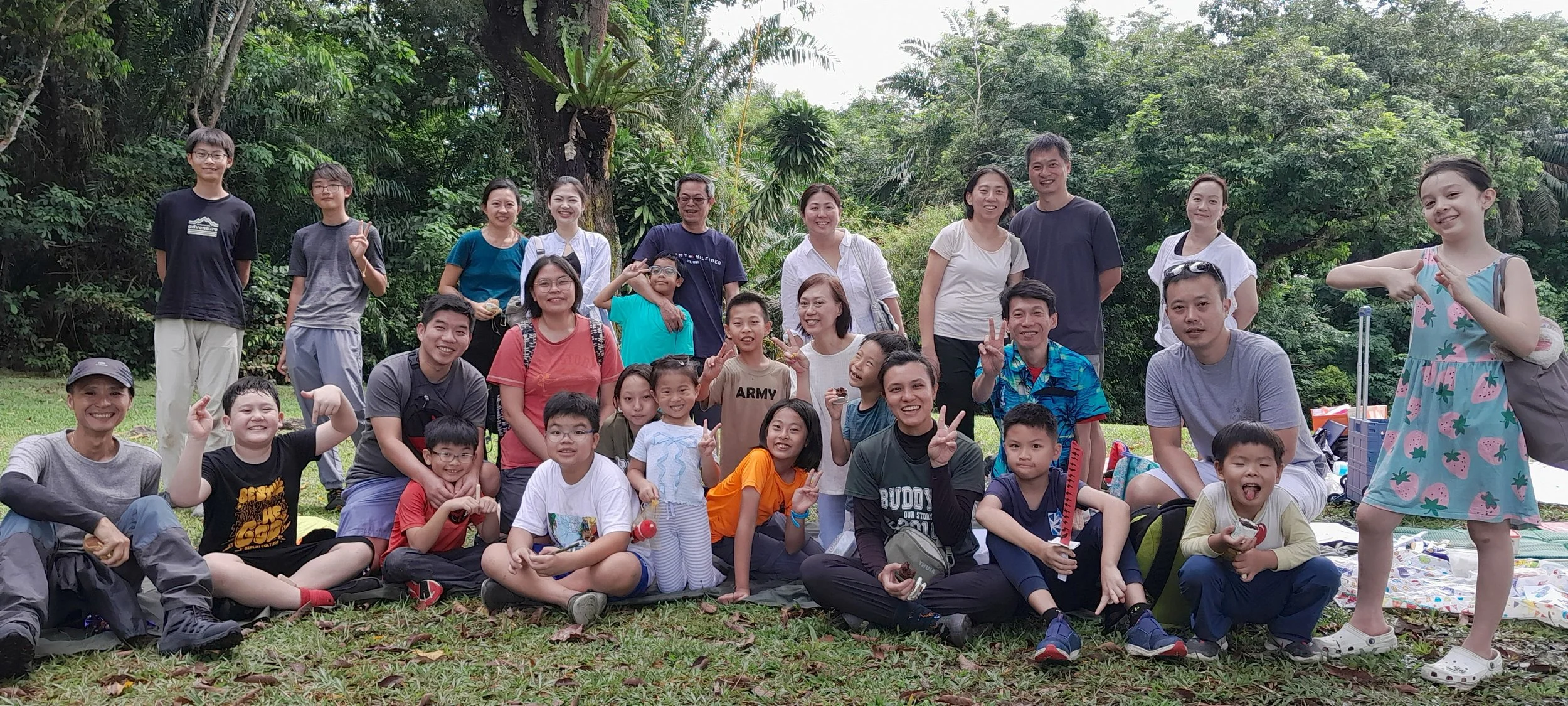
What a session looks like
We start by introducing learners to the space as one where they can do anything they like and go anywhere they want to, within boundaries.
After the starting circle, it becomes child-led and co-designed within safe boundaries, with facilitated sharing at the end.
At the end of the session, we share our experiences and take-aways together.
In a term, children here might have:
carved wood · chiselled stone · made a basket · built a tiny home · argued and repaired it · run a stall and handled real money · built swings and shelters · climbed slopes and trees · rolled on grass · whittled sticks · marked out hidden trails · wrote with a charcoal pencil · organised a race and written its rules · helped a sibling · taught a younger child something they had just learned · role-played teachers · been cold, wet, muddy and completely absorbed.
“It makes me feel happy to be in the forest. Everything in the forest makes me happy.”
WHY YOU CAN TRUST US
Nature Den has been running since 2018. We have stayed with this work long enough to see an entire batch of primary school children grow into teens and now learning as apprentices. We have seen what it takes to develop self-mastery and self-knowledge in our learners.
All 7 out of 7 student direct admission applications for further studies that we were invited to support resulted in offers. This includes offers to well-sought secondary schools and tertiary pathways in areas such as design, game development and mechatronics.
“This is the most professional and meaningful version of this type of outdoor education I have encountered in Singapore so far.”
A growing community of...
Families
Coaches
Schools
From one small group in Lower Peirce in 2018 to a community growing across Singapore.
8 years · 4 forest locations · hundreds of children · families and schools

Nature Den Certifications
Come and see.
The fastest way to know if this is your place is to stand in it on a Saturday morning.
Love big, live bigger.